Belvedere Junior and Infant School
Home | Year Groups | Year 3

Year 3

Home | Year Groups | Year 3

Year 3

Two

Schools

One

Vision

Welcome to Year 3!

In Year 3, we welcome the children as they begin a new journey in their school life.

We understand that the transition for the Infants to the Juniors can be a difficult one, so we make it as smooth as we can to allow the children to settle quickly into their new school environment. Having visited the Junior school at the end of Year 2 for a range of transition activities, we continue our support for all children as they begin their time in Year 3. We encourage all children to take part in class and year group activities, supporting them to develop and flourish throughout the year.

We have three classes in Year 3; 
    

Ms K Ripley – Freddie Mercury Class

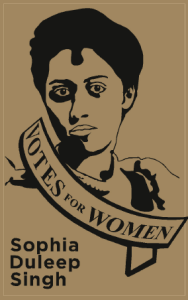
Miss G Riches – Sophie Duleep SIngh Class

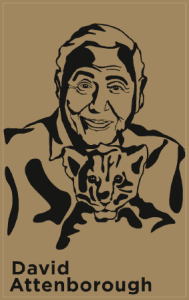
Miss A Gercheva – David Attenborough Class

Ms A Jewell – TA 

Miss S Hawkins – TA
Below, you’ll find our yearly coverage overview:

English

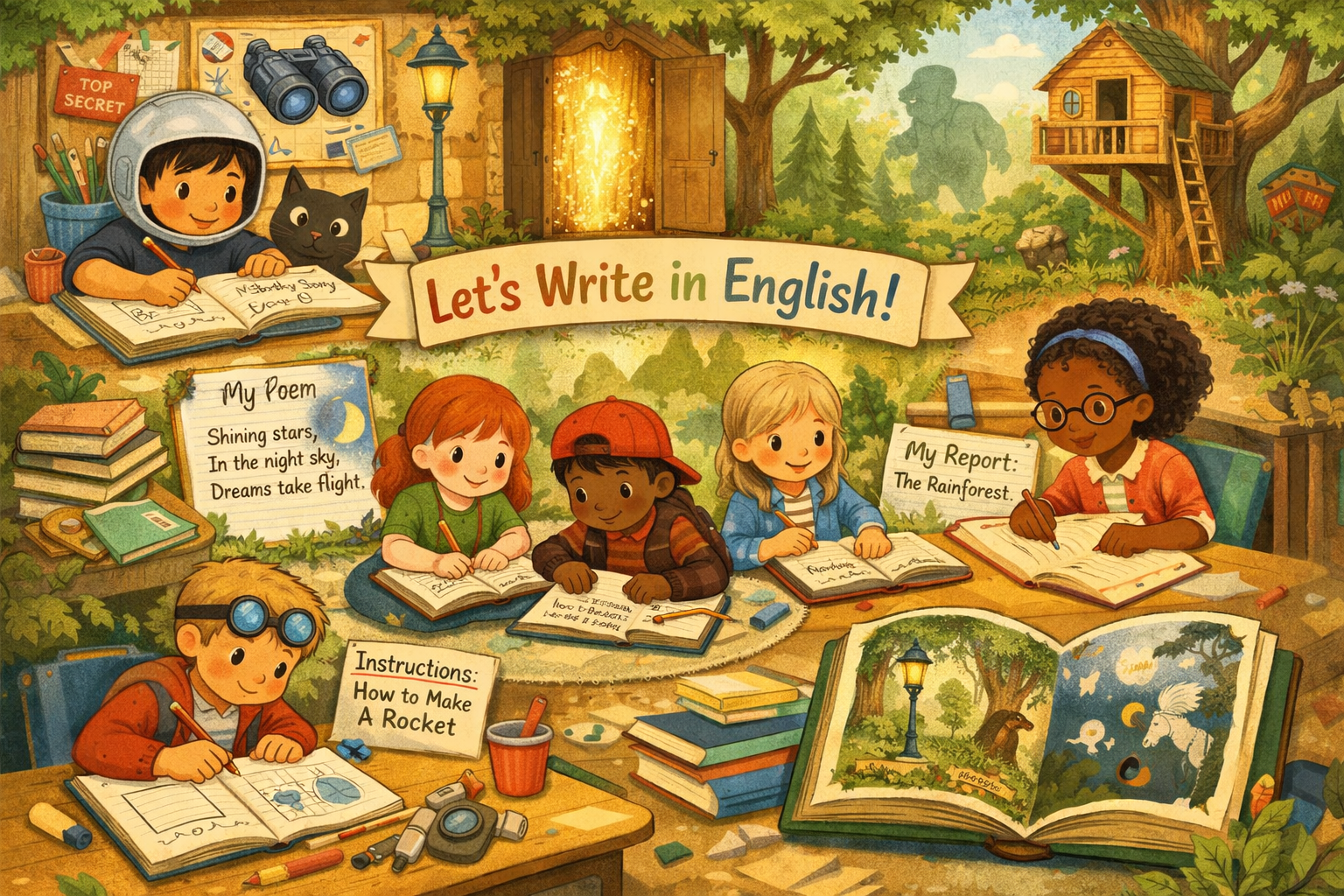
Throughout the year, we will study a variety of texts including creating our own narrative writing, non-chronological reports, instructional writing, formal letters and effective poetry using inspiration from ‘Sam Wu is not afraid of the dark”, “Operation Gadgetman” , “Greta and the Giants” and “The Magician’s Nephew”

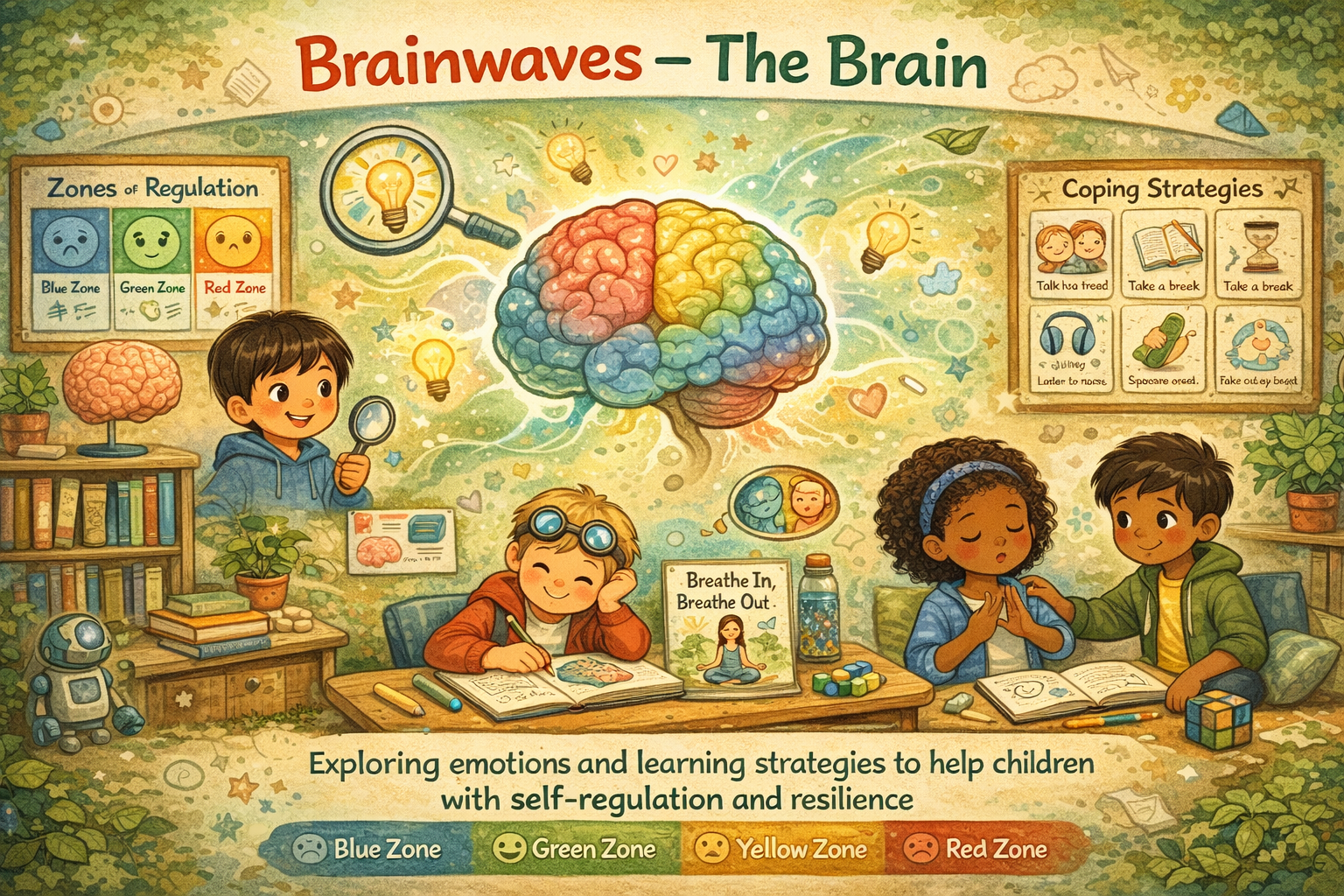
Brainwaves – The Brain

We begin with ‘Brainwaves’ where the children investigate different strategies to learn and to help them cope with challenges that they may face in school and in life. We learn all about how emotions can impact our learning and how to use “The Zones of Regulation” to support themselves through  variety of coping mechanisms. 

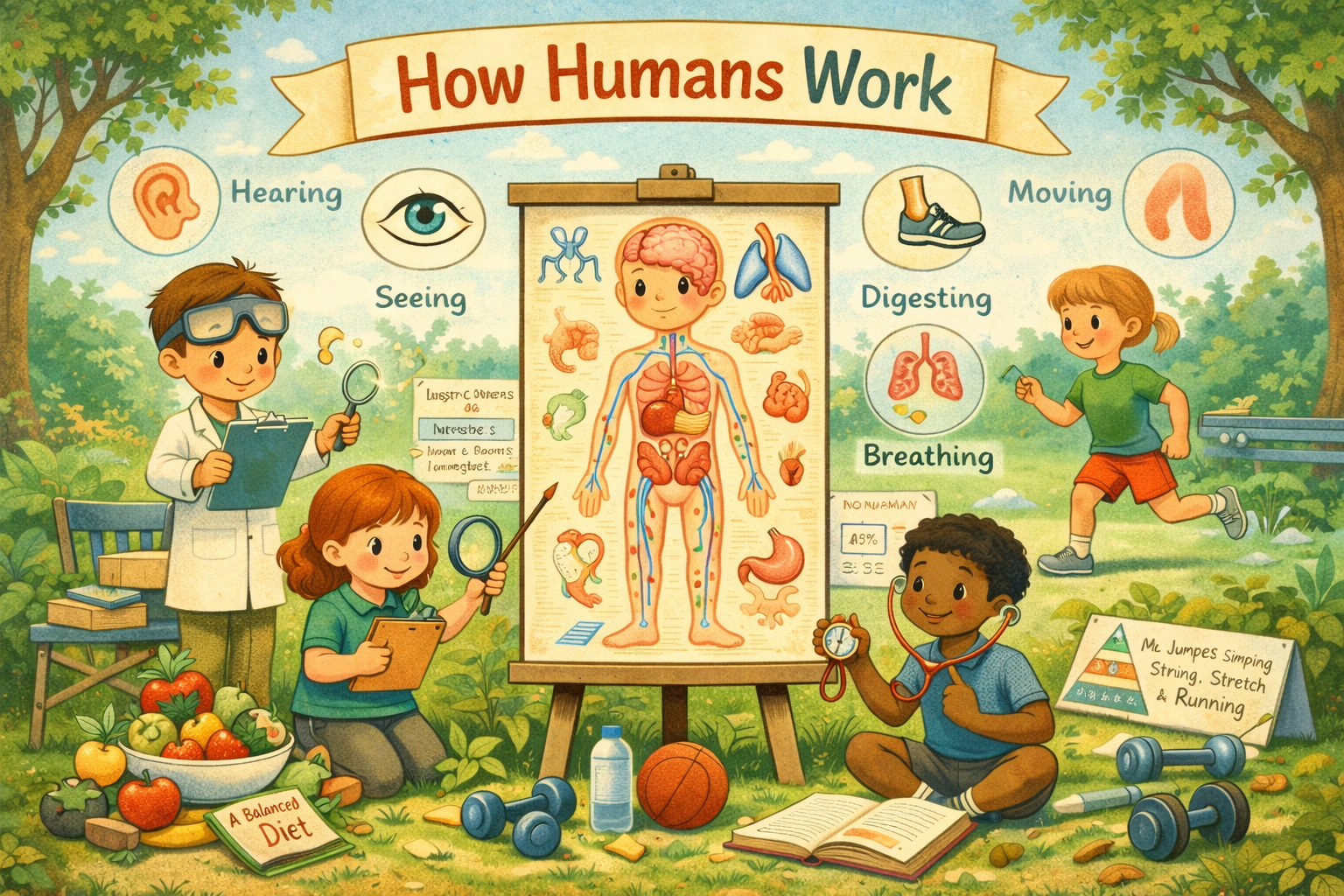
How Humans Work

We will be learning about the different functions of the human body, including how we see, hear, digest, breathe and move. We will also investigate how to maintain a healthy lifestyle, and the effects of diet and exercise on the body.

We will need to be scientists, nutritionists and sports instructors in order to gain a deep understanding of how humans work. Have you ever considered how your body works? And what does it really mean to be healthy?

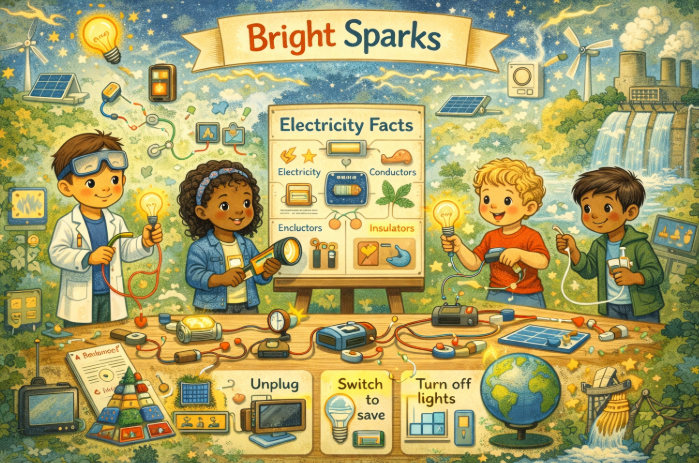
Bright Sparks

We will be learning about electricity and its importance on our daily lives. Can you imagine how your life would be without electricity? As scientists we will investigate how electricity flows through wires and how switches work. 

Do you know that there are materials that don’t allow electricity to pass through them? We will also find out how electricity is produced in our countries and explore ways to save electricity.

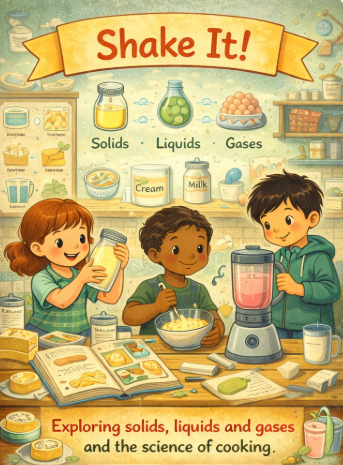
Shake It!

We will be learning about solids, liquids and gases and how things can change state. We will need to be scientists to investigate the chemistry of some cooking and preparation processes. We will use our knowledge to make butter, cheese, and milkshakes. What has cooking got to do with science? Do you have any idea of how to make butter?

Island Life

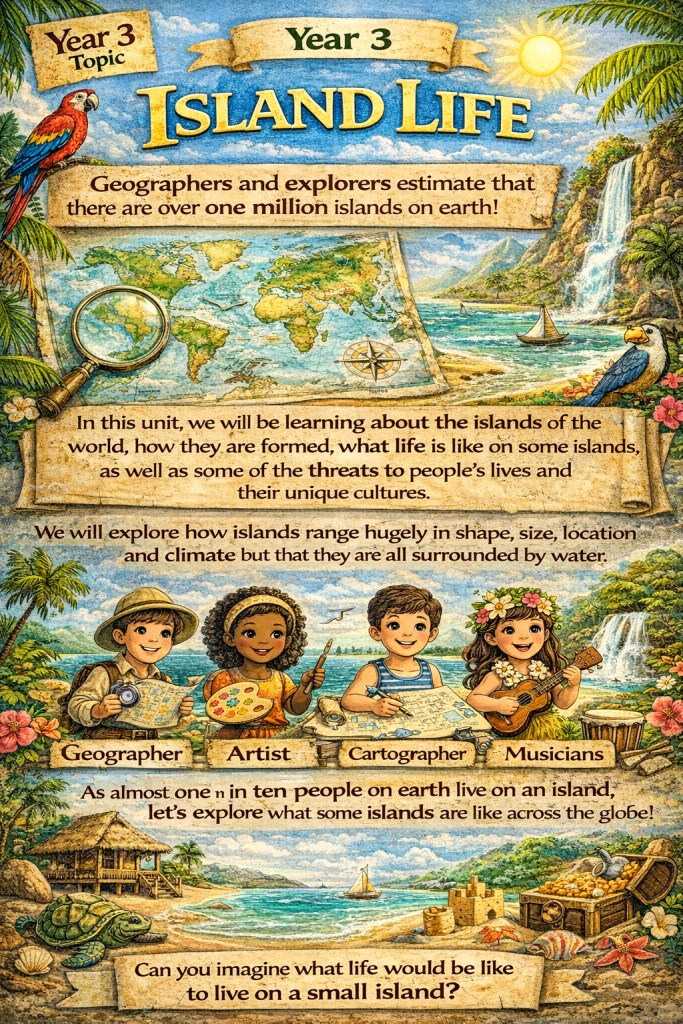
Geographers and explorers estimate that there are over one million islands on earth! In this unit, we will be learning about the islands of the world, how they are formed, what life is like on some islands, as well as some of the threats to people’s lives and their unique cultures. We will explore how islands range hugely in shape, size, location and climate but that they are all surrounded by water. We will need to be geographers and cartographers as well as artists and musicians. As almost one in ten people on earth live on an island, let’s explore what some islands are like across the globe! Can you imagine what life would be like to live on a small island?

Travel and Tourism

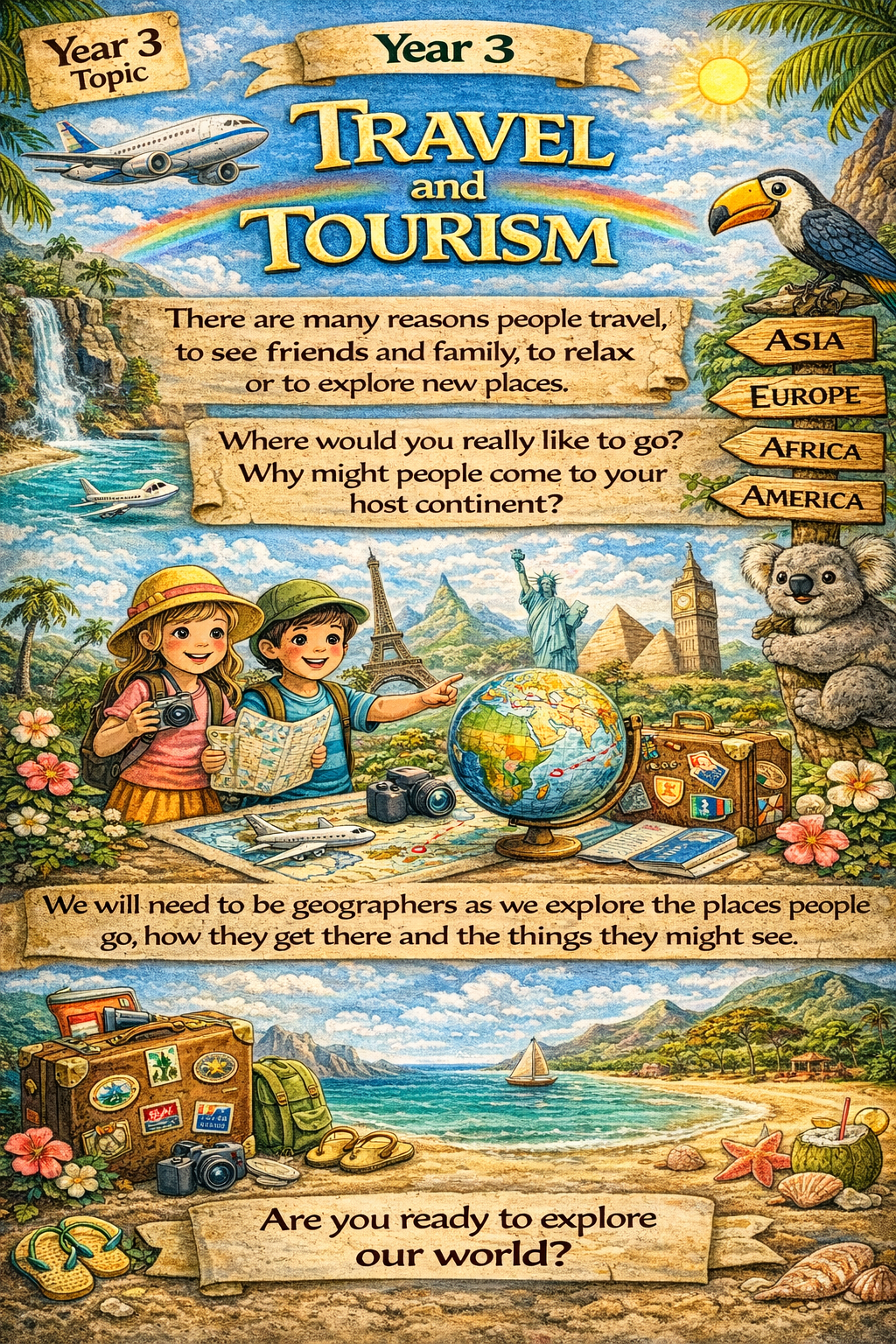
There are many reasons people travel, to see friends and family, to relax or to explore new places. Where would you really like to go? Why might people come to your host continent? We will need to be geographers as we explore the places people go, how they get there and the things they might see. Are you ready to explore our world? 

Scavengers and Settlers


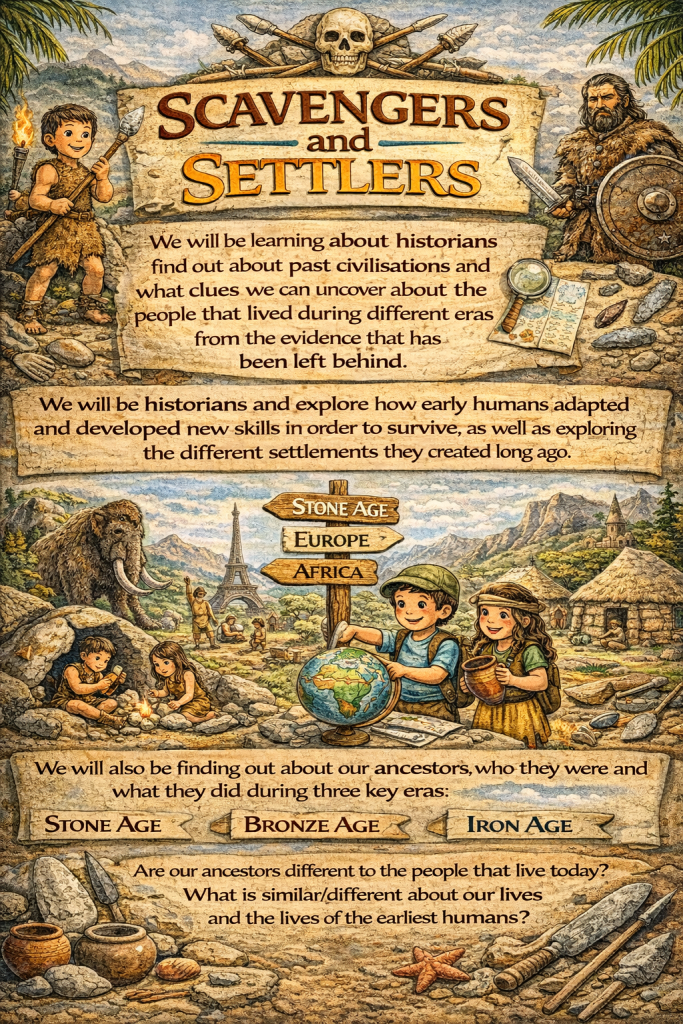
We will be learning about how historians find out about the past civilisations and what clues we can uncover about the people that lived during different eras from the evidence that has been left behind. We will be historians and explore how early humans adapted and developed new skills in order to survive, as well as exploring the different settlements they created long ago.  We will also be finding out about our ancestors, who they were and what they did during three key eras: the Stone Age, Bronze Age and Iron Age. Are our ancestors different to the people that live today? What is similar/different about our lives and the lives of the earliest humans?